
From legacy systems to smart control
From legacy systems to smart control
How digitalisation modernises port software?
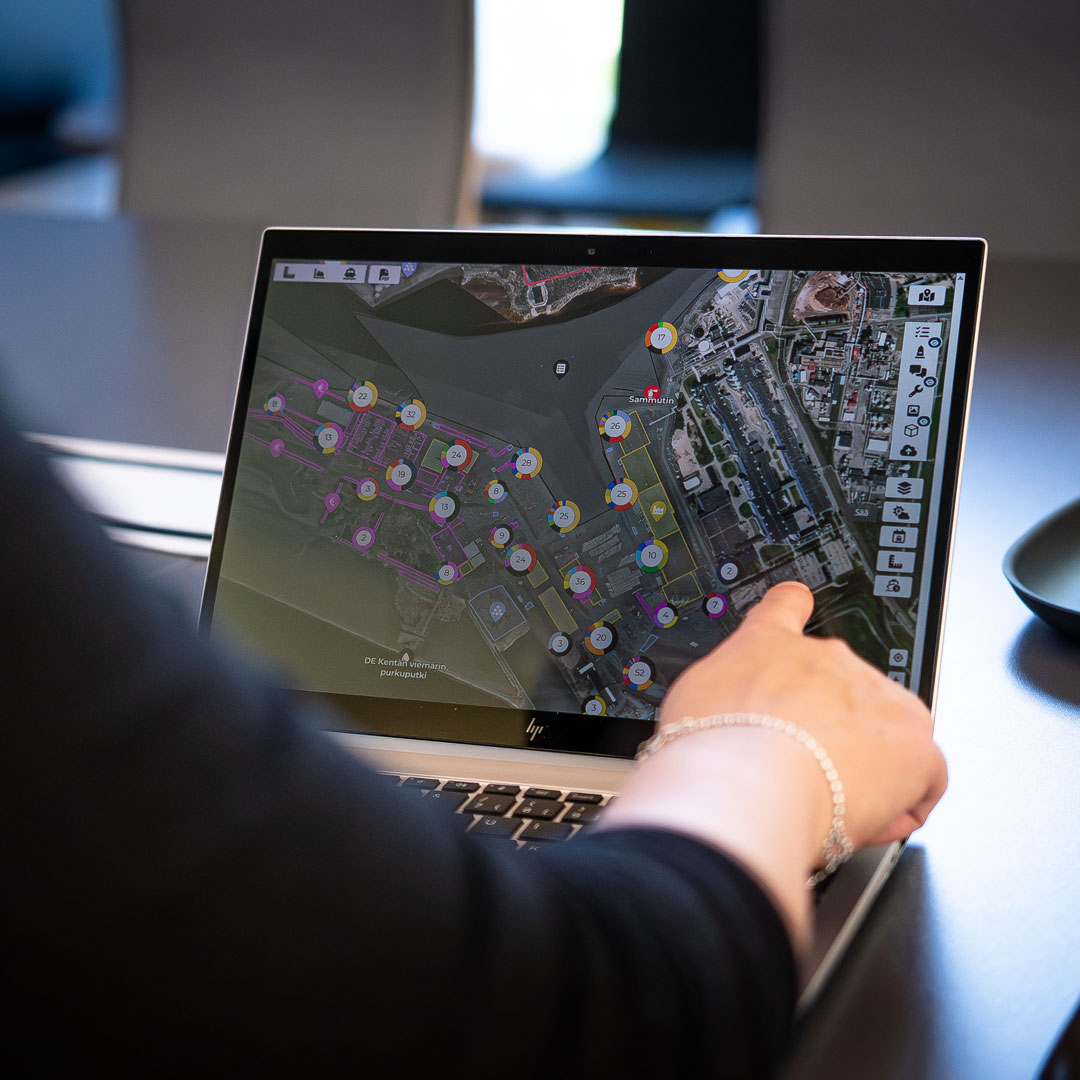
Ports have always been the beating heart of global trade. They are complex ecosystems where ships, cargo, people, and infrastructure must operate in perfect harmony. They’ve been mastering the movement of goods and people for centuries, and over time, new digital tools have been layered onto this foundation to support increasingly complex operations. Many ports now manage a mix of modern and established systems which are not always seamlessly connected. Multiple disconnected systems, local servers, and manual workflows make information management slow, unreliable, and vulnerable to human error.
As ports become smarter, greener, and more automated, this old setup simply can’t keep up. Modernisation of IT infrastructure isn’t just a technical upgrade. With the right approach, digitalisation becomes less about disruption and more about enhancing what ports already do best: staying in control
Bringing systems together
In most ports, daily operations rely on multiple applications; asset management, maintenance, billing, berth planning, environmental monitoring, and more. Each tool has a specific purpose, yet often these systems operate independently.
These isolated systems create data silos which create a major obstacle for decision-making. When data lives in different places, teams spend time gathering, checking, and reconciling information instead of acting on it. This can slow communication and create uncertainty when decisions need to be made quickly.
From an IT standpoint, this fragmented environment can also mean maintaining several databases, integrations, and on-premises servers. Legacy systems also often lack modern API capabilities, cloud scalability, and cybersecurity compliance. When infrastructure can’t support interoperability or real-time data flow, the consequences ripple through operations from inefficient maintenance to delayed vessel turnaround.
Technology should empower, not overwhelm. The goal of modernisation isn’t to replace everything at once, but to connect and simplify. By bringing information together in a shared, cloud-based environment, ports can make data flow smoothly across departments while reducing IT maintenance workload and risk.
Digitalisation as a strategic advantage
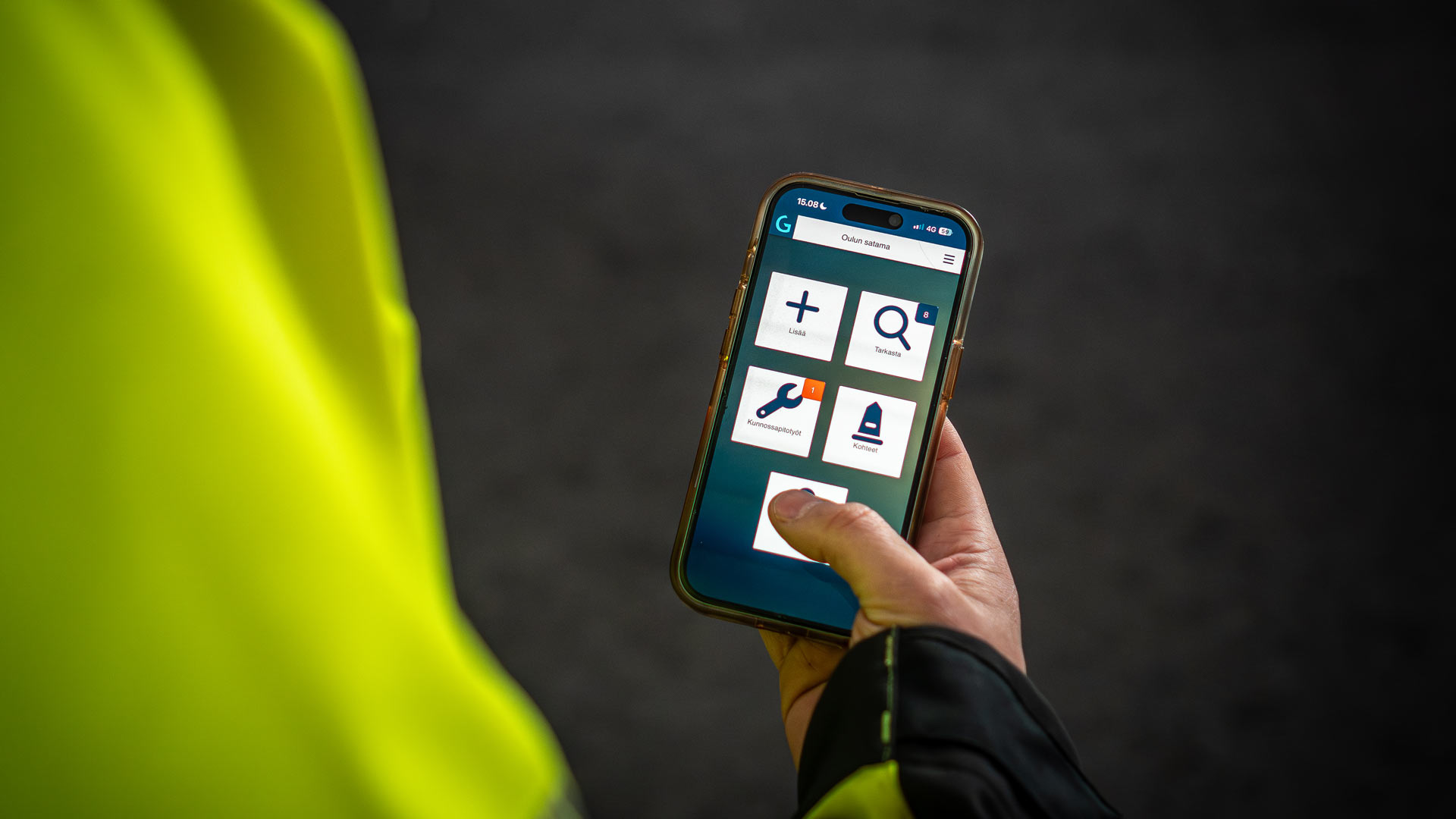
At GISGRO, we see digitalisation as a way to strengthen the solid operational knowledge that already exists in every port. Our cloud-based SaaS platform combines GIS (Geographic Information Systems) and PMIS (Port Management Information Systems) into one visual environment.
This unified view supports both operational teams and IT professionals by simplifying infrastructure and reducing maintenance needs. With no heavy installations or local servers, updates and security are managed automatically in the cloud, ensuring reliability and continuity. Modern API connectivity enables seamless communication with existing ERP, maintenance, or finance systems, while compatibility with standard WMS and WFS services ensures that spatial data can be easily shared and reused across platforms. At the same time, role-based permissions and single sign-on support strengthen security and keep data governance straightforward and compliant.
For port leadership, these technical improvements translate directly into operational value by providing a unified, visual data layer that supports faster and more informed decision-making. Predictive maintenance and automated alerts help minimize downtime and extend asset lifecycles, while consistent, digital workflows enhance both safety and regulatory compliance across all operations. At the same time, smarter resource management contributes to lower environmental impact, helping ports operate more sustainably without compromising efficiency or performance.
A practical path to modern port software
Digital transformation doesn’t happen overnight. The most successful ports take a step-by-step approach: evaluating needs, integrating gradually, and scaling confidently.
Every port’s digital journey typically begins with a careful assessment of the current data architecture and continues with clear steps:
Assessment of current systems
Review existing data architecture to understand which systems are in use, where information is stored, and how data moves across departments. This step reveals bottlenecks and helps set clear priorities.
System integration
Connect or replace outdated and disconnected tools through secure APIs, enabling seamless communication between GIS, PMIS, and ERP systems. GISGRO’s modular architecture allows this to happen gradually, without disrupting daily operations.
Data unification and automation
Once systems are connected, live data can trigger automated processes such as maintenance alerts, berth scheduling, and environmental reporting—reducing manual work and minimizing human error.
Optimisation and advanced analytics
Real-time insights from the digital twin support asset lifecycle management, emission tracking, performance forecasting, and long-term planning, enabling smarter budgeting, operational decisions, and sustainability strategies across the port.
The result is data synergy: one helm where IT and operations steer together, with full visibility across every asset and workflow.
Technology that works for everyone
Adopting new tools always involves people as much as systems. For digitalisation to succeed, the technology must feel natural to use.
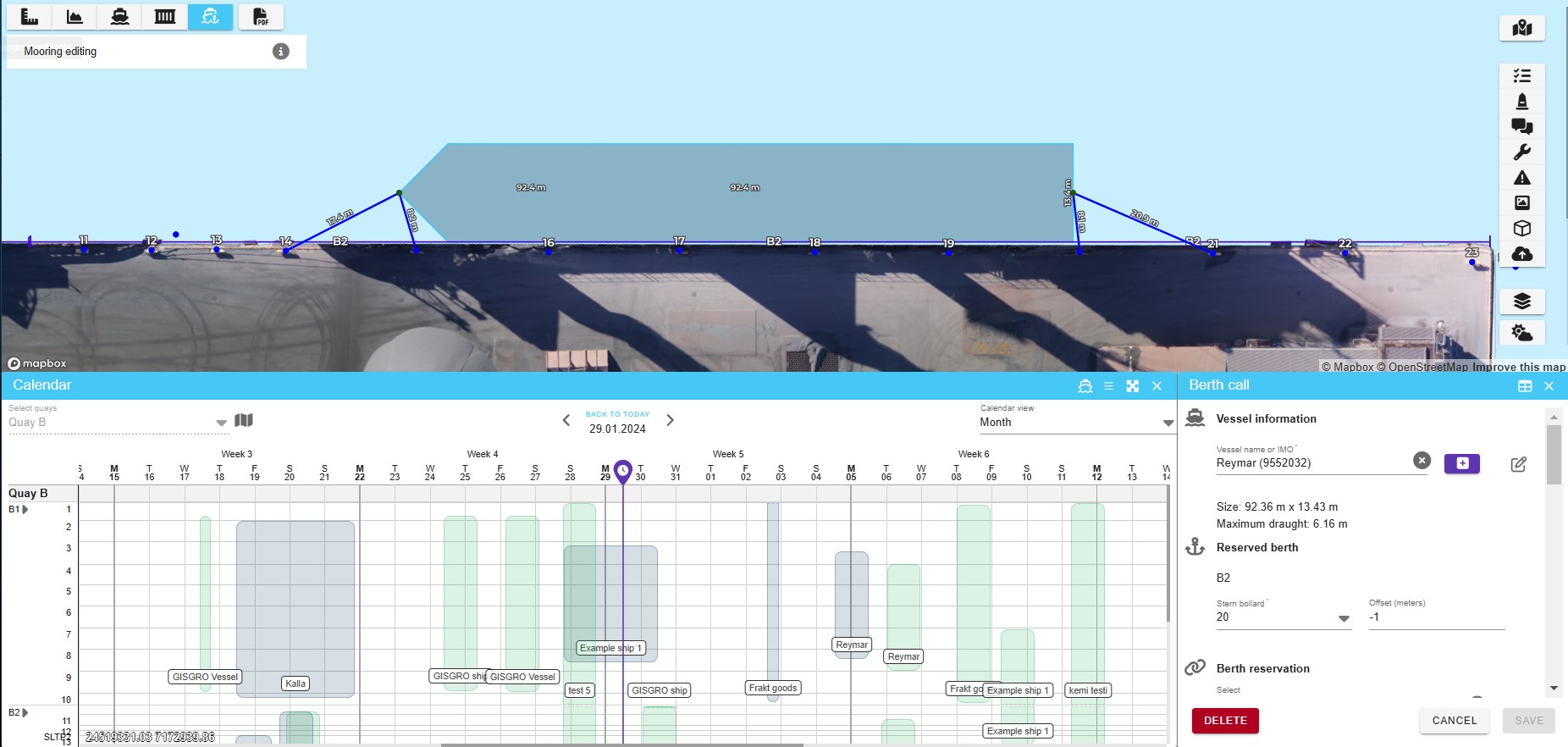
GISGRO is designed with usability at its core. If you can navigate Google Maps, you can navigate GISGRO. The interface provides intuitive 2D and 3D views, giving every team from maintenance to management the same clear picture.
From an IT professional’s perspective, GISGRO delivers a robust and reliable technical framework designed to simplify infrastructure management while ensuring security and scalability. Its cloud-native architecture provides high availability and built-in redundancy, keeping systems resilient and accessible at all times.
As data volumes or user numbers grow, performance scales effortlessly without the need for additional hardware or complex configuration. Strong data protection measures including encryption and role-based access controls maintain compliance and safeguard sensitive information. At the same time, the platform’s low maintenance requirements significantly reduce administrative workload, allowing IT teams to focus on innovation, system development, and strategic improvements rather than day-to-day upkeep.
And when you need support, GISGRO’s service philosophy means more than helpdesk tickets. It means partnership. From system onboarding to integration design and user training, our team stands by you every step of the way.
Guiding the way to port digitalisation
Modernising IT infrastructure is not about starting from scratch, it’s about building upon the solid operational and technical expertise that ports already possess. The ports leading this change aren’t just adopting new systems; they’re redefining how people, processes, and technology interact.
At GISGRO, we’re proud to partner with the professionals who keep ports moving. Port’s IT specialists, harbour masters, and engineers ensure that every operation runs safely and efficiently. Our role is to provide the technology that supports your job: reliable, intuitive, and ready to grow as your needs evolve.
Ready to take the first step?
If you are interested in modernising your port’s workflows, we would love to discuss! Send us a message to describe your ideas and let’s start the journey together.
Book A Demo
How Gisgro helps your work
At Gisgro, we know that each role within a port comes with its own unique challenges and requirements. Discover how Gisgro can enhance your work by exploring benefits it provides for your role—transforming complex port data into clear, actionable insights that empower you to take full control.
CEO
Harbor and Marine Operators
Land operations / Technical
Commercial
Services
GIS / CAD
IT
Finance & Accounting
View all user groups
Real people. Real support.
Whether you’re curious about how GISGRO could work for your port or you’re ready to take the next step, we’d love to hear from you. Our team is friendly, experienced, and happy to help.
Just fill out the form and we’ll get back to you soon.