
Supporting more efficient port management
From manual processes to PMIS
Supporting smarter port management
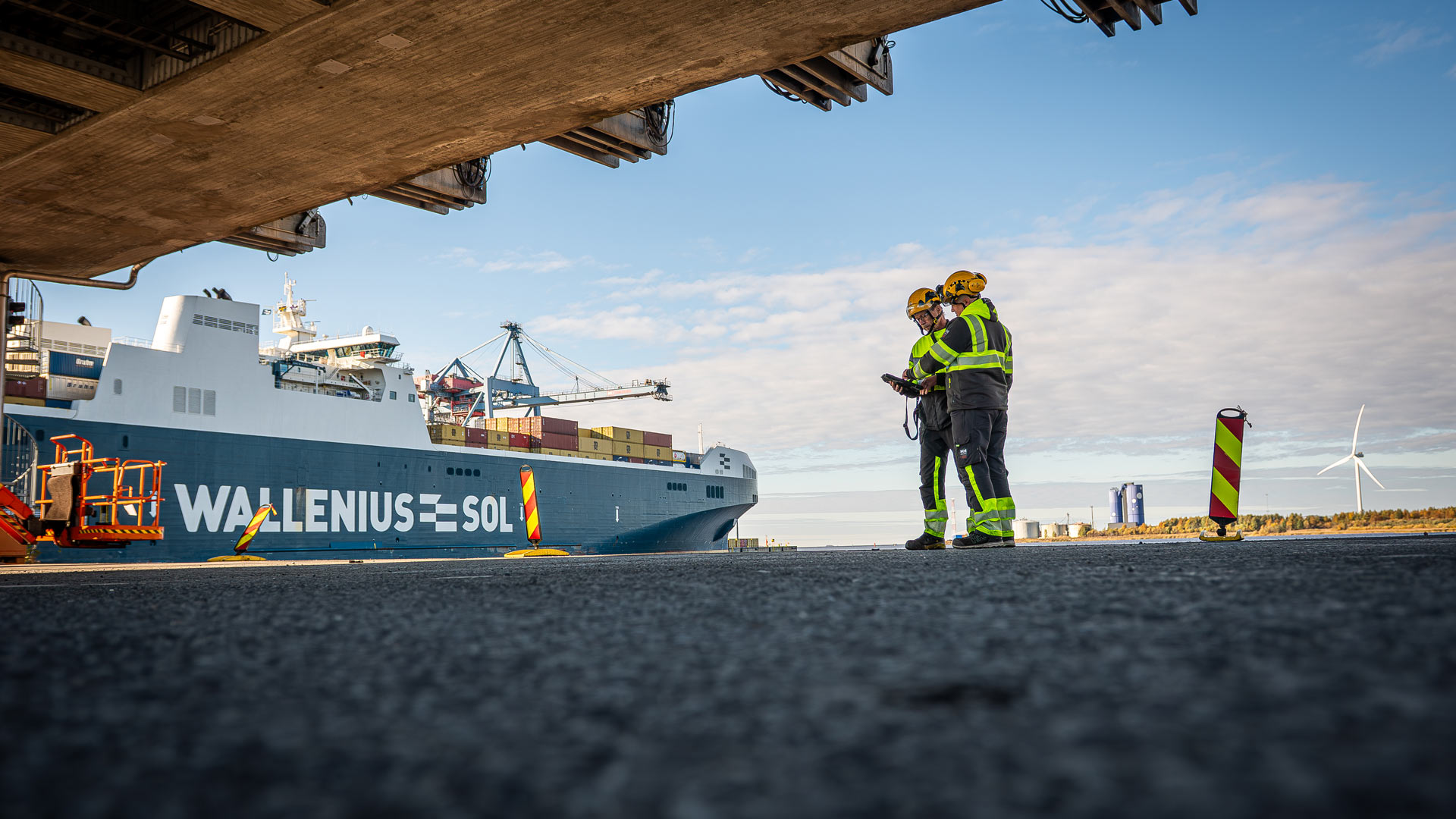
Our previous blog introduced automatized processes from port operations to invoicing. Here, we discuss how all this translates into everyday life of port personnel, creating a shared, reliable view across teams and efficient port management.
As port operations involve multiple departments from operations to finance having a shared understanding of data becomes increasingly important.
In traditional setups, information may exist in different formats or locations. Teams may work with their own files or datasets, which are later combined for reporting or reconciliation. While this approach can work, it may also require additional coordination to ensure alignment.
This creates a shared reference point where updates are reflected in real time, and all relevant stakeholders can access the same information based on their roles. Changes are tracked, and historical data remains available, supporting both day-to-day operations and longer-term analysis.
The result is not just improved data availability, but smoother collaboration across functions.
Streamlining workflows and enabling integration
Administrative and invoicing processes are rarely isolated, they connect to broader operational and financial systems.
In environments built on manual processes or standalone tools, integration often requires additional steps. Data may need to be transferred between systems, checked, and reconciled, which can increase workload and extend processing times.
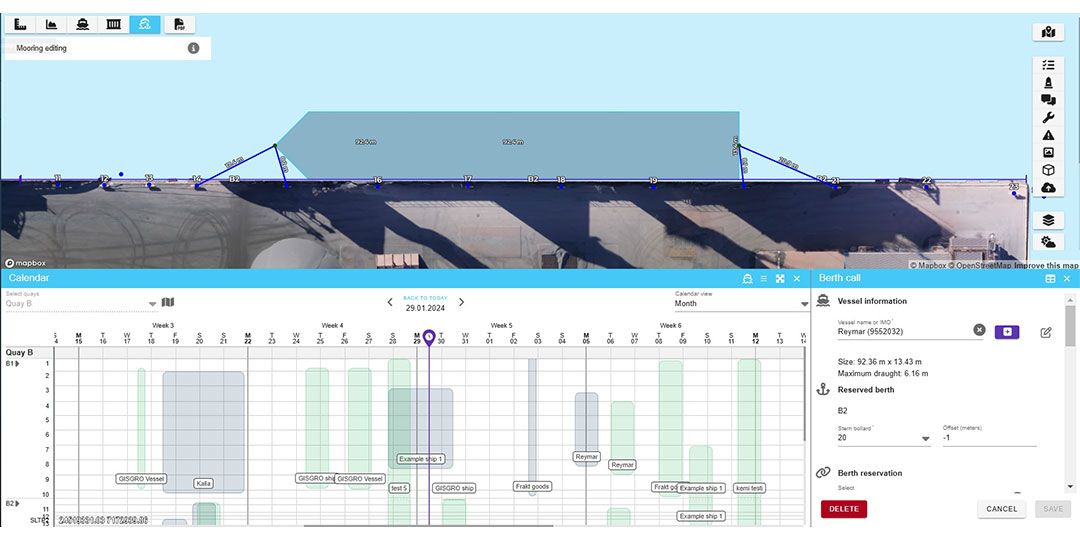
By integrating with systems such as vessel scheduling, terminal operations, and financial platforms, they support a more seamless flow of information. This reduces duplication and helps ensure that data remains consistent across the entire operation.
At the same time, workflows become more streamlined. Data entered once can be used for multiple purposes: invoicing, reporting, or operational planning, allowing teams to focus more on analysis and less on data handling.
Building a stronger foundation for reporting and growth
Reliable reporting is an essential part of modern port operations, whether for internal decision-making, financial oversight, or external requirements.
When processes rely on multiple tools or manual aggregation, maintaining consistency over time can require additional coordination. Differences in classification, aggregation methods, or historical updates may need to be managed carefully.
This creates a more stable foundation for generating statistics, maintaining historical consistency, and adapting to changing reporting requirements. As operations grow, the system can scale accordingly without increasing complexity in the same way as manual or spreadsheet-based workflows.
A natural evolution toward connected port management
The transition toward PMIS is not about moving away from what works—it is about strengthening it.
Spreadsheets and manual processes, including Excel, will continue to have their place in many organizations. However, as expectations around data quality, integration, and transparency continue to rise, system-based approaches offer a way to support these needs more consistently.
For many ports, this evolution happens step by step, introducing structure where it adds value, while building on existing knowledge and practices.
Supporting clarity, consistency, and control
At GISGRO, we see this transition as an opportunity to simplify, not complicate.
By bringing together port management, invoicing, and operational data into one unified environment, we help create clearer processes and more consistent outcomes. The goal is to build confidence, knowing that the information you rely on is accurate, accessible, and aligned across your organisation.
Because when data is clear and connected, decisions become easier and operations run more smoothly.
Book A Demo
How Gisgro helps your work
At Gisgro, we know that each role within a port comes with its own unique challenges and requirements. Discover how Gisgro can enhance your work by exploring benefits it provides for your role—transforming complex port data into clear, actionable insights that empower you to take full control.
Real people. Real support.
Whether you’re curious about how GISGRO could work for your port or you’re ready to take the next step, we’d love to hear from you. Our team is friendly, experienced, and happy to help.
Just fill out the form and we’ll get back to you soon.